
Category: Foreign Trade
M.SecureTrade News Report - Foreign trade updates March 2024

M.Line News Report - Foreign trade updates March 2024 The latest updates to Mercoline's SAP add-ons for transport logistics and foreign trade ensure that our customers are regularly provided with important updates and additions to keep them up to date and take account of relevant process updates. In this article, we show what we have already delivered for our customers in recent months and which topics we will continue with. Foreign trade updates Since the beginning of December, customers of M.SecureTrade ATLAS have been able to rely on the current release 2311 to take into account the changes resulting from the IHB update of customs to AES 3.0.7 in their export processes. Improvements in reporting and improved monitoring in the event of failed code list updates have also been provided as part of this process. Under S/4HANA, it is now also possible to take into account default values for the commodity code that differ from the material master in the ATLAS document system.
A new EU-New Zealand free trade agreement will soon come into force
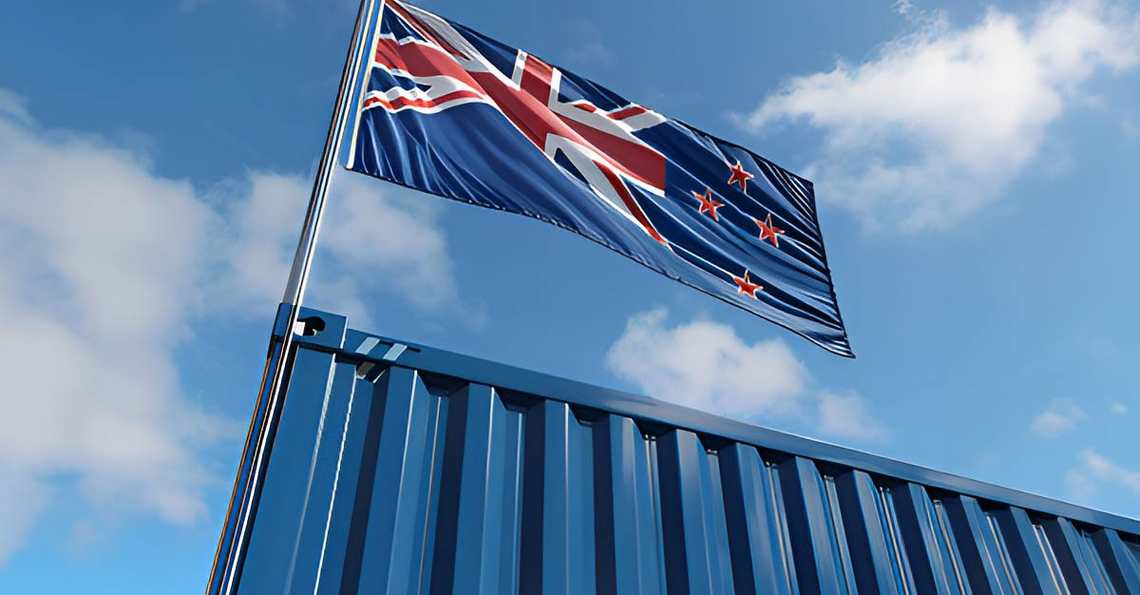
The free trade agreement between the European Union and New Zealand, the content of which was agreed on 30 June 2023, is entering the final legal stages. Ratification by the EU was recently completed and final approval by New Zealand is expected by the second quarter of 2024 at the latest.
Save costs with collective customs clearance
Ukraine became a war zone on NATO's eastern border within hours of Russia's attack. This has resulted in a series of sanctions against Russia, affecting European companies. Read here what you need to know now.
M.SecureTrade ATLAS customers benefit from early recertification
Mercoline was one of the first companies in Germany whose solution M.SecureTrade ATLAS was certified by German customs for ATLAS customs processing. Over 15 years later, in the fall of 2022, Mercoline was again one of the first customs software providers to be recertified for the ATLAS AES 3.0 release.
Renegotiation of the rules of origin of the regional convention
As early as 1 September 2021, the Regional Convention was reformed with the aim of modernising and amending the rules of origin. As a result of the reform, the so-called "transitional rules" were created.
War in Ukraine and foreign trade: what you need to know now
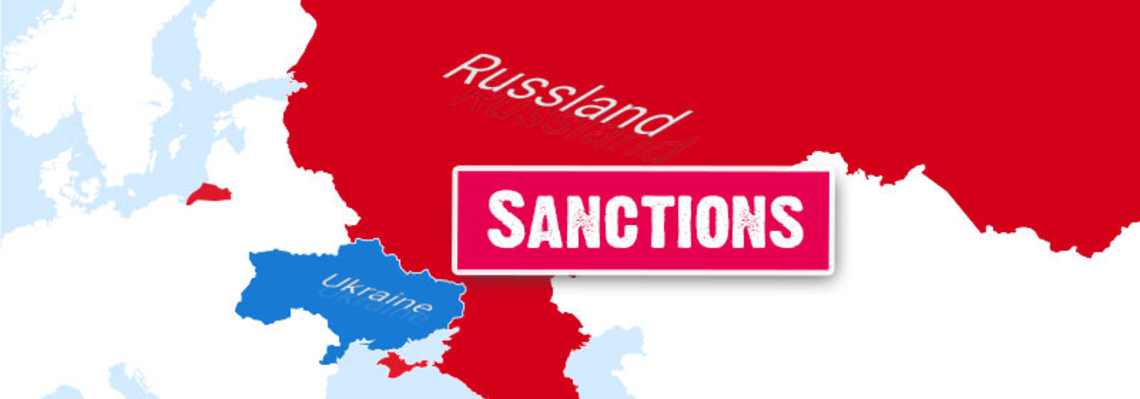
Ukraine became a war zone on NATO's eastern border within hours of Russia's attack. This has resulted in a series of sanctions against Russia, affecting European companies. Read here what you need to know now.
Recalculate and revoke customer supplier declarations
At the turn of the year, long-term supplier declarations (LTSD) have to be renewed again. If individual materials on existing LLEs are no longer eligible for preference, M.SecureTrade Preference Management now offers the option of revocation. Read more about it here.
Seamlessly integrated: M.SecureTrade Preference Management for SAP at Getzner

When it comes to digitalization, Getzner is very progressive and future-oriented and therefore relies on the solutions of the M.SecureTrade Suite from Mercoline for preference management in SAP. In the joint project, the supplier-side supplier declaration was implemented.
The turn of the year in foreign trade

In addition to the new Harmonized System from 2022, there is also a new Combined Nomenclature (eight-digit), which the European Commission has published. This takes up the changes of the Harmonized System and transfers them to the respective eight-digit nomenclature. This is what you need to know now.
Integrate business processes with customers and suppliers via M.Line web portals in SAP

Export-oriented companies have to exchange a great deal of data and documents with their customers or suppliers as part of their foreign trade activities. Paper-based, this is not only expensive, but also very error-prone. Read here how it can be done better!